
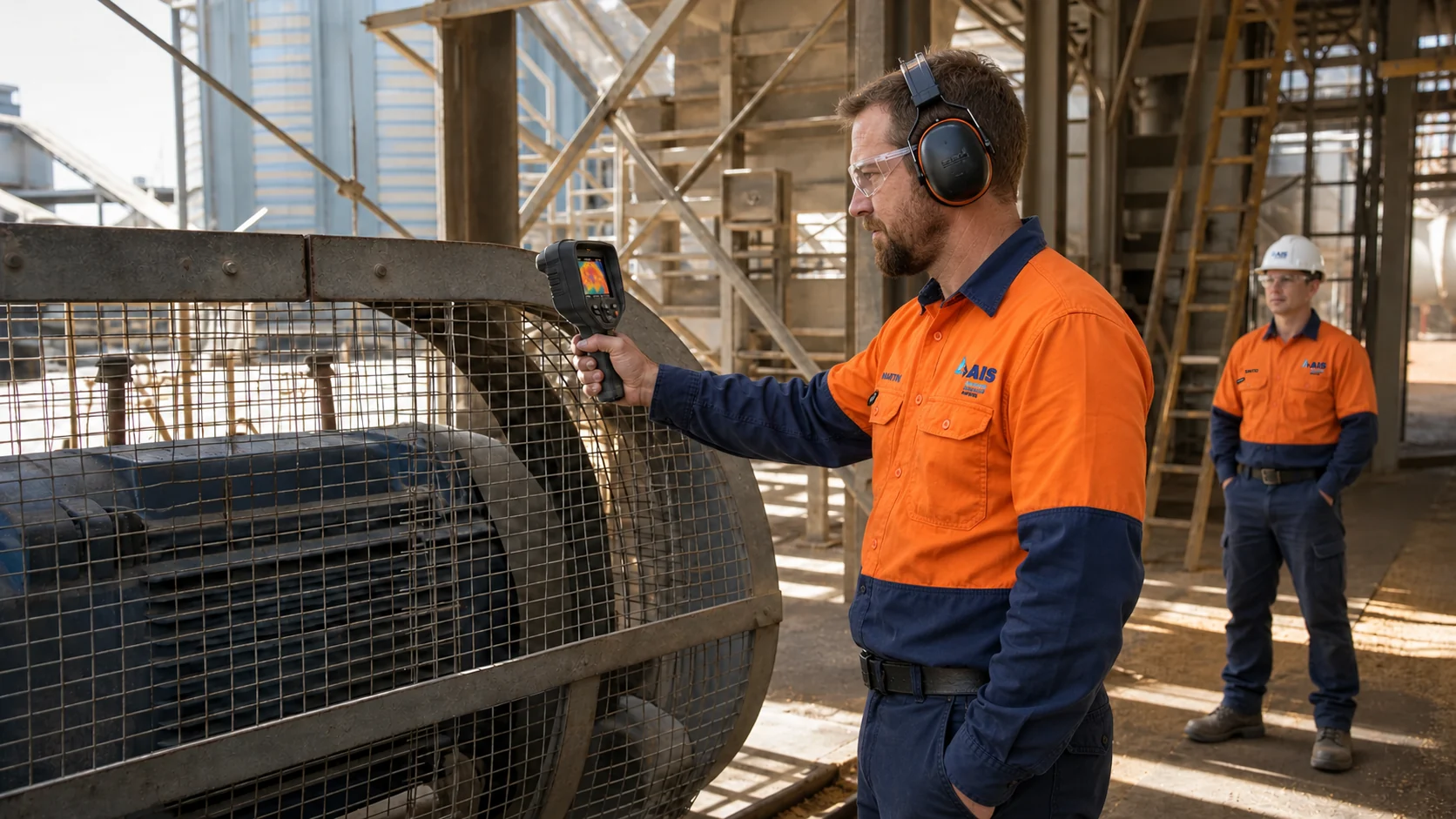
A preventive-maintenance program can look complete in a spreadsheet and still fail in practice. Tasks are deferred because access is unavailable, inspections collect no usable condition evidence, and urgent production work consumes the same people and windows. The plan needs to be built around those constraints rather than pretending they do not exist.
01 / 03
Start with consequence and detectability
Prioritise equipment by what happens when it fails, how early deterioration can be detected and whether the plant has redundancy or a practical contingency. Frequency alone does not define importance.
This gives planners a defensible way to protect critical work when the available maintenance window shrinks.
02 / 03
Write tasks that produce evidence
Replace vague instructions such as check motor with an observable condition, method and response threshold appropriate to the site. The person completing the work should know what to inspect, what to record and what result requires escalation.
- 01Defined safe access and isolation requirement
- 02Observable condition or measurement
- 03Expected range or comparison point
- 04Action if the result is outside expectation
- 05Place to record findings for trend review
03 / 03
Plan around real access windows
Group work by isolation, location and required trade so the plant is not stopped repeatedly for tasks that could share one access window. Separate tasks that can be completed during production from those that genuinely require a shutdown.
Review deferrals as data. If the same task is repeatedly missed, change the access plan, task method or production agreement rather than simply moving the date again.
A recurring deferral is a planning problem that deserves its own corrective action.
The practical takeaway